

I’ve been straightening smiles since Miller Orthodontics was first incorporated in 1988. In that time I’ve heard the same handful of “I wish someone had told me…” comments from patients and parents over and over. None of them are deal-breakers. All of them are easier when you know them going in. Here’s what I’d tell you before your first bracket goes on.
1. The first week is about your cheeks and tongue, then your teeth
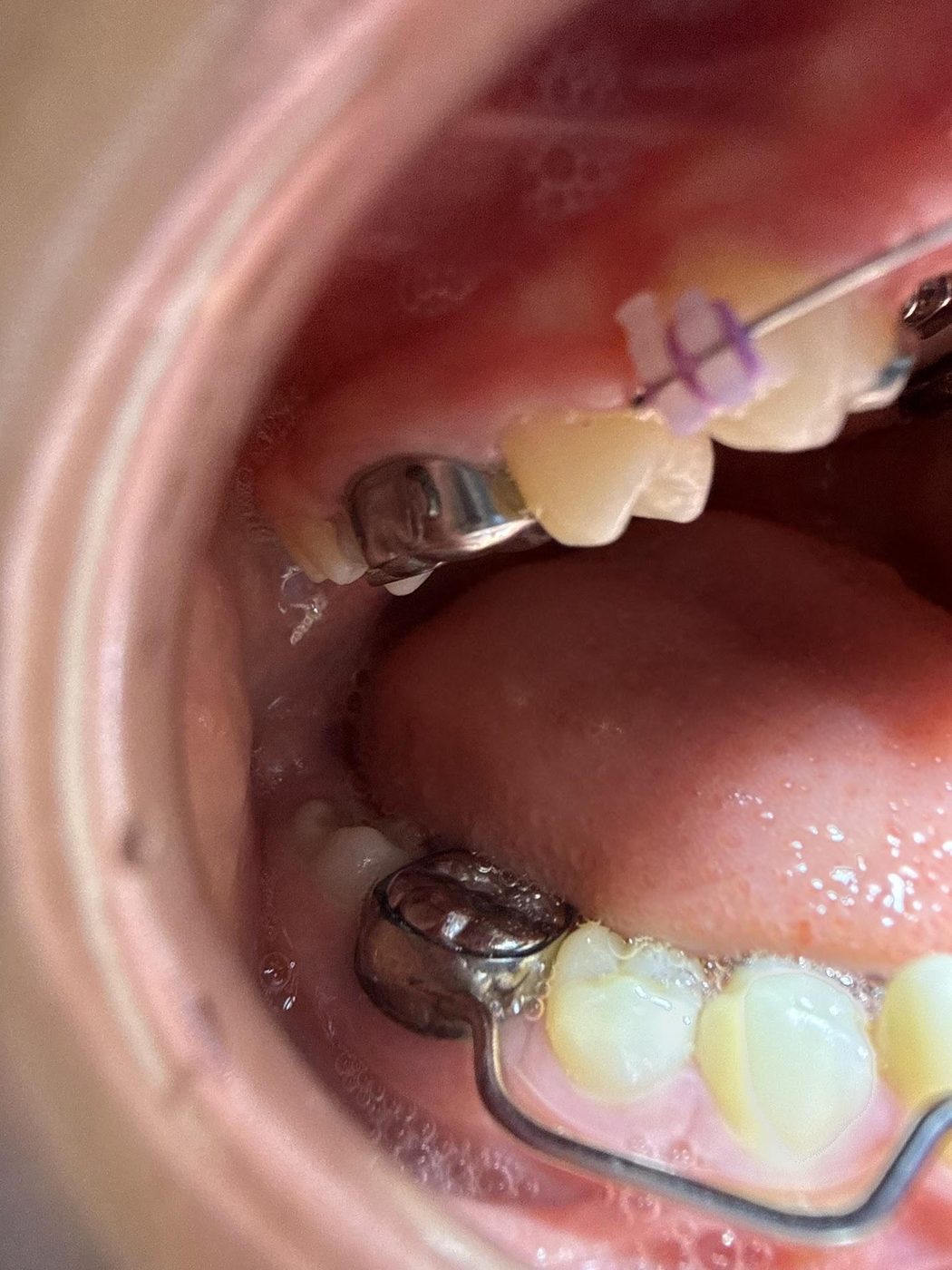
Most people brace themselves (pun intended) for sore teeth. What surprises them first is that the cheeks, lips and tongue need a few days to get used to having brackets nearby. That rubbing and irritation is the number-one complaint in week one. Tooth soreness, usually starting a day or so after placement, is number two.
Both fade quickly. What helps:
- Orthodontic wax over any bracket that’s rubbing. Use it freely, that’s what it’s for.
- Soft foods for the first few days: pasta, eggs, yogurt, soups, smoothies.
- Over-the-counter anti-inflammatory pain relievers such as ibuprofen, taken as directed on the label, to take the edge off the soreness.
By the end of the first week or two, most patients tell us they’ve stopped noticing their braces.
2. How long treatment takes is partly up to you
People often ask how long they’ll be in braces. My honest answer: it depends on the case, the technology, and you.
On the technology side, we use Lightforce brackets. Because they’re 3D printed, each bracket’s slot can be made more accurately, and because each bracket is custom-made to fit one specific tooth, that slot sits in a precise position on every tooth. We place them with digital indirect bonding, meaning each bracket’s position is planned on a 3D model of your teeth and then transferred precisely to your mouth. Traditional direct bonding, where brackets are placed one at a time by eye, simply isn’t as accurate. A precise bracket in the precise spot translates into more accurate tooth movement, and that’s how we see shorter treatment times with fewer visits.
But no system works on its own. The patients who finish fastest do three things: they show up, they keep their teeth clean, and they don’t break brackets. Every digital workflow, no matter how advanced, still depends on that partnership.
3. Compliance is the hidden variable, and we screen for it
Here’s something most people don’t hear at their consultation: treatment that doesn’t depend on patient effort is usually more predictable, more efficient, and faster. Every time a treatment relies on the patient, wearing aligners 22 hours a day, changing elastics, avoiding certain foods, results depend on how consistently that happens.
That doesn’t mean aligners are a bad choice. For a patient who will truly wear them, some cases can actually finish faster in Invisalign. The key is matching the treatment to the person.
So how do we know? We look for evidence, not just promises. At your exam we evaluate:
- Oral hygiene and gum tissue condition: the single best indicator of how someone will take care of treatment.
- Diet: what you eat and drink day to day.
- Existing white spots: on the enamel, which tell us about past plaque habits.
- Wear on the teeth: which hints at bite force and grinding.
If compliance looks like it may be a challenge, we steer toward compliance-free methods, fixed appliances that do the work without relying on the patient to wear, change or remember anything. That’s not a judgment; it’s how we protect your result.
4. The food rules matter more than you think
Brackets are bonded strongly enough to move teeth, but not strongly enough to survive a jawbreaker. The biggest culprits are hard, crunchy and chewy foods.
You don’t have to give up healthy foods. Apples, carrots and raw vegetables are fine if you:
- Cut them into small, bite-size pieces instead of biting into them whole,
- Slow down, and
- Chew with less force.
Patients with a strong bite who keep eating the wrong foods break brackets more often, and every break can cost time. We very rarely reopen a treatment contract, but repeated breakage from diet can add visits and, in uncommon cases, cost. Following the food rules is the easiest way to stay on schedule.

5. White spots are preventable, focus on the gumline
The most disappointing thing I see at the end of treatment isn’t crooked teeth. It’s white spots: chalky marks where plaque sat against the enamel long enough to start decalcifying it.
The good news is that they’re completely preventable. No plaque means no white spots. With braces on, plaque builds up mainly where the tooth meets the gum, around and below the brackets. That’s where to aim your toothbrush, every time.
The fuel for that plaque is sugar and acid: candy, soda, sports drinks and other sugary or acidic snacks. Cut back on those, brush the gumline carefully, and you’ll finish with straight teeth and healthy enamel.
6. It’s okay, even smart to ‘get a second opinion’!
Orthodontic treatment options vary widely from office to office. Two qualified orthodontists can look at the same smile and recommend different approaches.
We encourage second opinions. We offer many treatment options, such as Lightforce braces in clear or metal, Invisalign, and lingual braces hidden behind the teeth, so we can usually find the right fit. Another office may offer options we don’t use, and we may offer options they don’t, which is one more reason a second opinion is worth it. And if any practice, including ours, recommends an approach that seems unusual, get another opinion. You should feel completely confident in the office you choose.
7. Retainers are where you keep your result
The day your braces come off feels like the finish line. It isn’t. The retainer phase is just as important as treatment itself.
We recommend full-time retainer wear for the first two months after braces are removed, then the schedule your orthodontist sets. Teeth want to drift back, and they can start moving after leaving retainers out for as little as one day.
If we suspect retainer wear may be a challenge, we offer bonded (permanent) retainers that stay in place behind the teeth with nothing to remember.
This is also why mail-order treatment is such a risk. Without an orthodontist monitoring your retention phase and catching relapse early, the investment you made in straight teeth can slip away quietly.
The bottom line: technology plus experience
At Miller Orthodontics, we combine the latest digital technology with decades of clinical experience. We have two full-time, fully equipped locations, Kimball Junction in Park City and Main Street in Heber City, and an orthodontist sees you at every visit.
My advice to any family starting treatment: choose a local, full-time, independent office. That’s where you’ll get the most consistent care.
Ready to start? Schedule a consultation at our Park City or Heber City office.