

The three main types of orthodontic treatment are braces on the outside of the teeth, lingual braces hidden behind the teeth, and clear aligners. At Miller Orthodontics we offer all three, so we can choose the right one for your bite instead of fitting your bite to the one system we sell.
I’ve been a board-certified orthodontist since 1992 and have treated clear aligner cases since 1999. I also published original research in The Angle Orthodontist, a leading peer-reviewed journal, measuring how much faster the right bite corrector gets patients out of braces. Here’s how I explain the three options to patients and parents in Park City and Heber City.
1. What are the three main types?
- Braces on the outside of the teeth. We offer two versions:
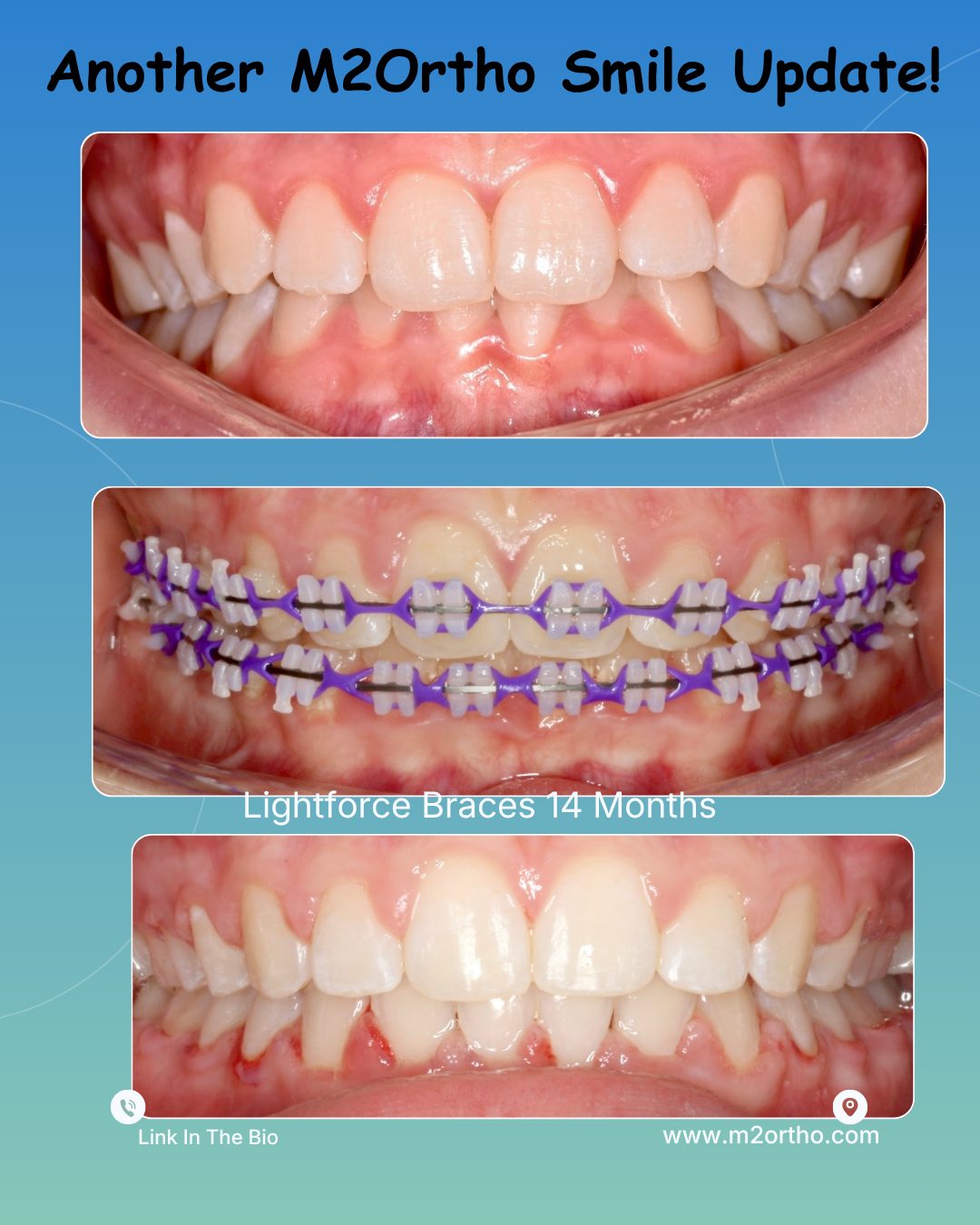
- Lightforce 3D-printed brackets, custom-designed for each tooth and placed with digital indirect bonding.
- 3M pre-pasted brackets, direct bonded, in metal or clear.
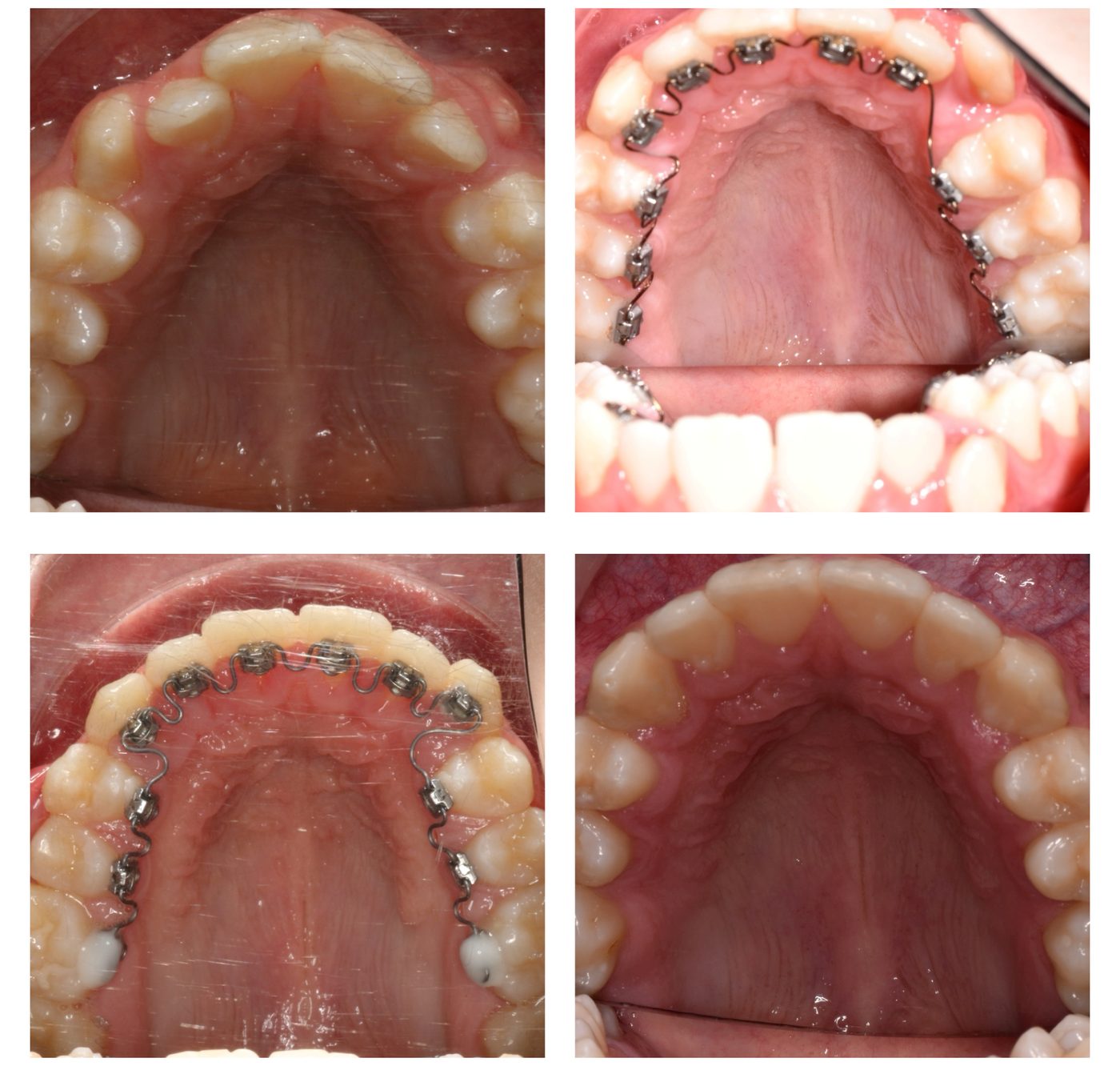
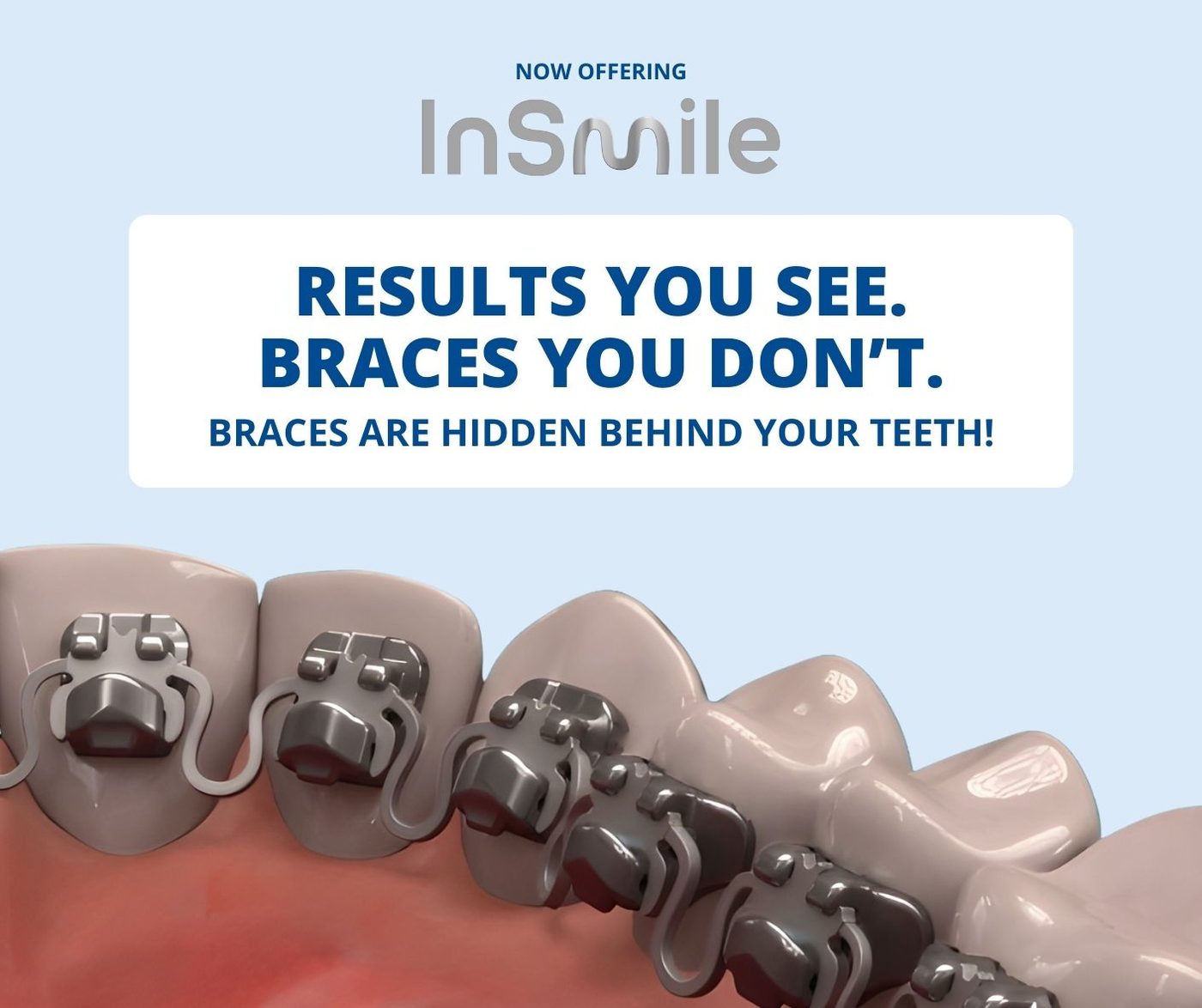
- InSmile lingual braces. Custom braces bonded behind the teeth, so nothing shows when you smile.
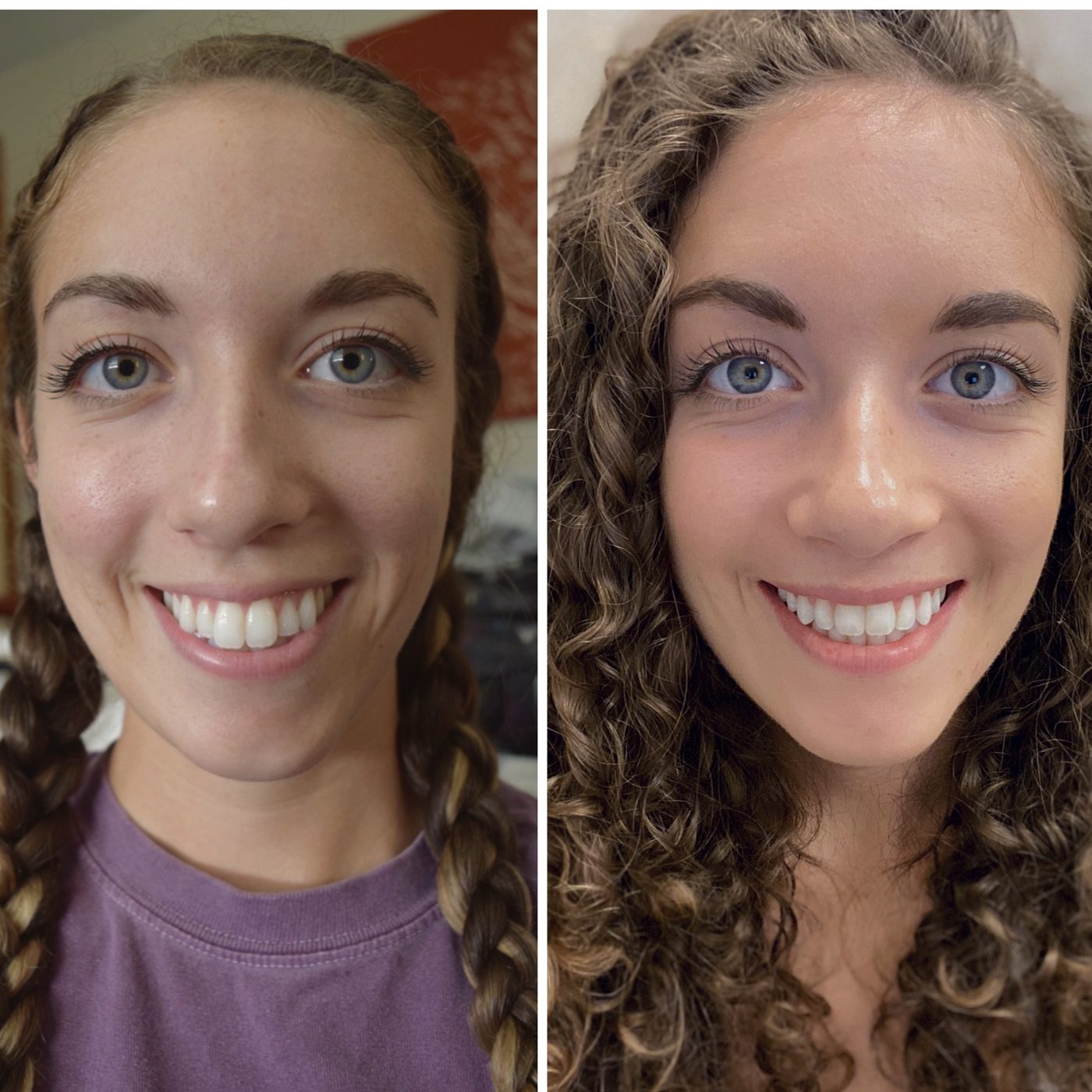
- Invisalign clear aligners. A series of removable, nearly invisible trays, each designed by our doctors rather than a technician.
2. Which one is best for me?
The best option is the one built for your bite, not a scripted brochure answer. We evaluate the problem first, then choose the method that passes three filters:
- The fastest path to the finish line.
- The best long-term result.
- A fit with your cosmetic lifestyle.
Every plan we write is unique to the patient. Sometimes that means one appliance, and sometimes it means a combination.
3. When are braces better than aligners, and vice versa?
Crowding with a good bite is usually well suited to aligners, because tipping teeth into line is a relatively simple movement. Compliance is the barrier that limits aligner results. Patients with more complex movements, or who are unlikely to wear trays consistently, are better served by braces.
Sometimes we correct the bite first with a bite corrector called the Crossbow (Xbow), which uses a Forsus spring as the engine that moves the teeth. Because it’s fixed in place, it works without relying on the patient to wear anything. Handling the hard part first makes finishing simpler, and often opens the door to finishing with Invisalign.
My published study in The Angle Orthodontist found that Crossbow patients finished about six months faster and wore braces about ten fewer months than patients treated with braces and Class II springs alone. You can see some of our cases on the Crossbow website.
4. Who is the ideal patient for lingual braces?
InSmile lingual braces are for patients who don’t want aligners or visible braces, once we’ve confirmed they suit the problem. Typical Insmile patients include:
- Adults who had braces as kids but stopped wearing their retainer, and whose teeth have shifted.
- Patients whose Invisalign treatment didn’t work out.
- Former mail-order aligner patients. Many people who came to us after using DIY services like SmileDirectClub chose Insmile for a doctor-supervised, truly invisible fix.
5. What are the biggest myths about each type?
Myth: “Braces are a bad choice because they show.” Braces are tried and true, and yes, they show. But most middle schoolers don’t mind, and for a busy middle schooler, braces are often the easiest option. There’s nothing to remember to wear.
Myth: “Invisalign can treat anything.” Aligners can be used on almost any case, and they work well for mild to moderate crowding. But for complex bites, the finish isn’t as detailed across patients treated one after another. One impressive case report can make it look otherwise. Systematic reviews of well-controlled studies tell a different story:
- A 2020 meta-analysis in the European Journal of Orthodontics found aligner treatment was linked to a worse finished bite on the American Board of Orthodontics grading scale, and more patients with unacceptable results (source).
- A later evidence review by the same researchers, covering mild to severe cases, concluded that aligners are associated with less precise outcomes than braces (source).
- Reviews focused on mild to moderate cases find aligners a viable alternative, which matches our experience (source).
The takeaway: aligners are excellent for the right case. When the bite is complex, braces deliver a precise finish more consistently.
Myth: “Lingual braces tear up your tongue and ruin your speech.” That’s true for the first week or two. After treating more than 300 Insmile patients, we find most adapt very quickly and are glad they chose it.
6. How have 3D-printed braces changed treatment?
In our experience across more than 500 Lightforce cases, treatment runs 30–50% faster with fewer office visits. The reason is precision. Each bracket’s slot is designed and positioned for that individual tooth, then placed with digital indirect bonding, so the teeth move toward the planned result from day one.
Breakage has improved a lot since the early generation, and Lightforce now comes in metal. That makes it ideal for busy patients and parents who want fewer appointments and fewer surprises.
7. What have 3,000+ aligner cases taught you?
Compliance is the biggest variable in aligner treatment. Most patients start out ambitious, with high expectations. Over time, many burn out on wearing their trays 20–22 hours a day, and their expectations drop with them.
Our rule of thumb: if most of the correction can be done in about six months, Invisalign is a great alternative to braces.
8. Does cost differ between the three?
Yes, and it depends on the case:
- Traditional braces are the most economical choice for routine and more difficult cases.
- Invisalign can be more affordable for mild to moderate cases. Our doctors do the planning themselves. Providers who need more guidance from lab technicians pay higher lab fees, and those fees are passed on to the patient.
- Insmile lingual braces cost more, but they fit a unique patient who wants truly invisible treatment.
For fee ranges, financing and insurance details, see our post on how much orthodontic treatment costs.
9. Can you combine more than one type?
Yes. Combination treatment works well in complex cases, and it’s a big reason we offer all three. Common combinations include:
- Insmile on the front teeth that show, with conventional braces on the back teeth to handle elastics and more complex movements.
- Clear braces on one arch and aligners on the opposite arch.
- Crossbow to correct the bite first, then braces or Invisalign to finish.
10. A case where the right appliance made the difference
A 15-year-old patient with a severe overbite transferred to us after starting treatment elsewhere with a removable, aligner-based bite corrector. It had created an alarming open bite between her back teeth. We switched her to Lightforce 3D brackets with rubber bands, corrected the bite conventionally, and still finished on time.
Removable bite-jumping devices can work for younger patients. For young teens, we prefer the Crossbow, because it keeps the teeth engaged while eating, when the jaw generates the most force. A device that comes out at meals loses that time. A fixed corrector gives a more predictable, faster result.
The three types at a glance
| Outside braces (Lightforce or 3M) | Insmile lingual braces | Invisalign clear aligners | |
|---|---|---|---|
| Visibility | Visible (metal or clear) | Hidden behind the teeth | Nearly invisible, removable |
| Depends on patient wear | No | No | Yes, 20–22 hours a day |
| Best for | Complex bites, busy kids and teens | Adults who want nothing visible | Mild to moderate crowding with a good bite |
| Finish precision | Highest, most consistent | High | Excellent for the right case |
| Relative cost | Most economical for routine and complex cases | Premium | Often affordable for mild to moderate cases |
| Adjustment period | A few days of soreness | 1–2 weeks for tongue and speech | A few days of pressure per tray |
The bottom line
There’s no single best type of orthodontic treatment, only the best plan for your bite and your life. At Miller Orthodontics we offer all three types, design every plan ourselves, and combine them when that gets you to a better result faster.
We have two full-time, fully equipped locations: Kimball Junction in Park City and Main Street in Heber City.
Ready to find out which option fits you? Schedule a consultation at either office.